


How to Choose Between ABS vs PVC Pipes: Pros, Cons & Best Applications
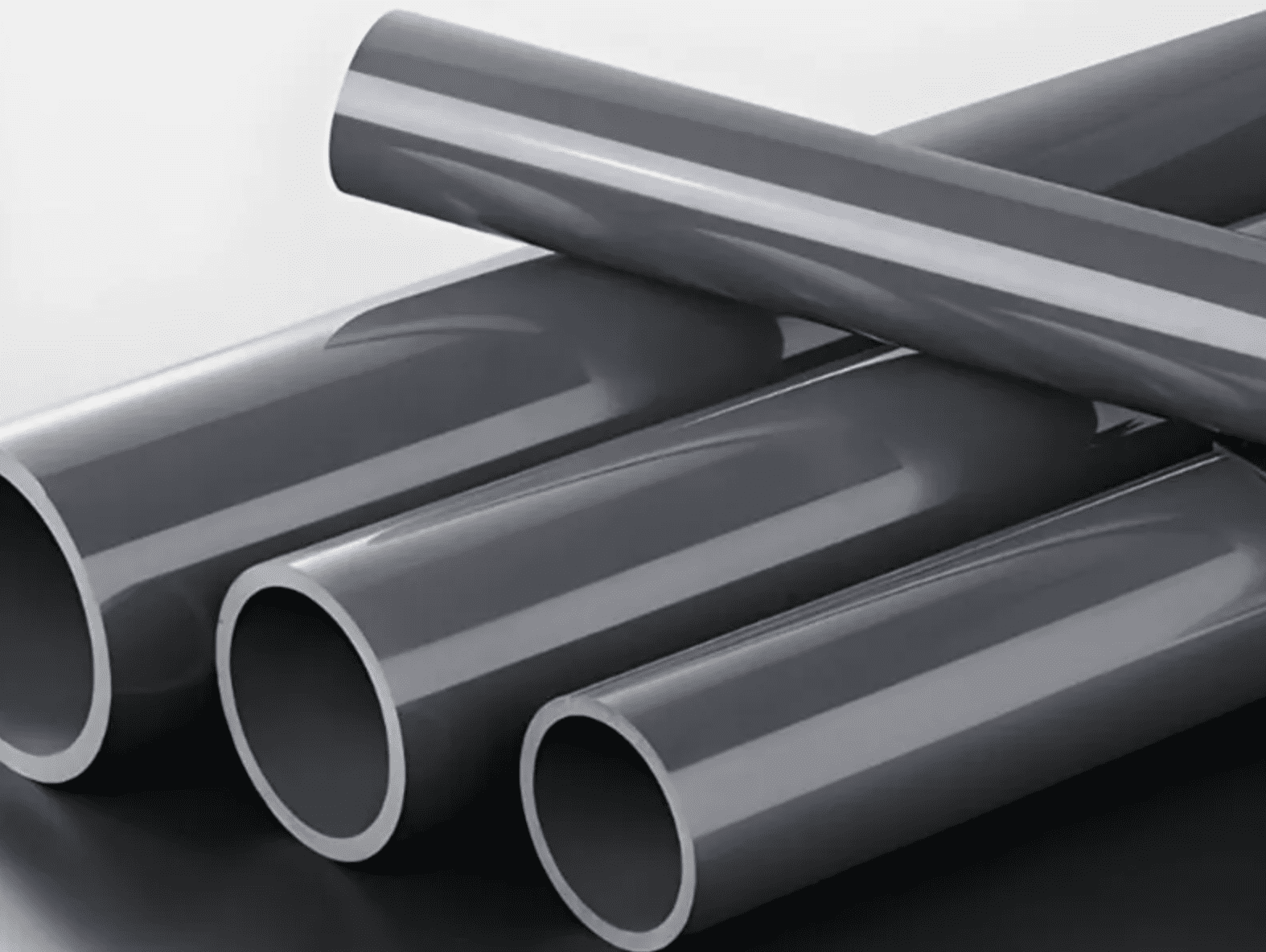
Choosing Between ABS and PVC Pipes
When working on a new piping project, one of the first decisions youâll face is whether to go with ABS (Acrylonitrile Butadiene Styrene) or PVC (Polyvinyl Chloride). At first glance, they look almost identical: both are types of rigid plastic, both are lightweight, and both are easier to work with than metal pipes. Yet the choice isnât always straightforward.
ABS and PVC have different strengths, weaknesses, and ideal applications. Picking the wrong one can lead to durability problems, unnecessary costs, or even code compliance issues. To help you decide, letâs break down their pros, cons, and best uses.
The Pros and Cons of ABS Pipes
ABS pipes are easy to spot thanks to their black colouring. One of their biggest advantages is impact resistance,they can withstand knocks and bumps without cracking, which makes them a favourite for underground use. They also perform well in cold climates. Unlike some plastics that become brittle when the temperature drops, ABS remains resilient.
Pros of ABS:
Superior impact resistance, especially underground
Performs better in freezing conditions
Lightweight and easy to install
Cons of ABS:
Limited chemical resistance compared to PVC
Not suitable for hot water systems
Sensitive to UV exposure (can degrade if left outdoors without protection)
Because of these characteristics, ABS is often chosen for drainage, venting, and waste systems, particularly where pipes will be buried or exposed to colder temperatures.
The Pros and Cons of PVC Pipes
PVC pipes are usually white or light grey and are one of the most common piping materials worldwide. Their strength lies in versatility. PVC comes in many forms, including pressure-rated options, and C-PVC versions that handle hot water. It also boasts excellent chemical resistance, making it ideal for industrial use.
Pros of PVC:
Widely available and generally cheaper than ABS
Excellent resistance to a broad range of chemicals
Can be used in hot water applications (C-PVC)
Easy to cut, fit, and solvent weld
Cons of PVC:
More brittle in freezing temperatures
Can warp under very high heat
Requires the correct cement for reliable joins
PVC is a go-to choice for water treatment, irrigation systems, general plumbing, and chemical handling applications. Its lower cost and wider availability make it especially attractive for projects on a budget.
Find the Right Solution at Pipetech
So which is better: ABS or PVC? The answer depends on your environment and project goals.
If youâre working in cold conditions or underground, ABS may be the best fit.
If you need versatility, chemical resistance, or simply a more affordable option, PVC usually comes out ahead.
Both materials have their place. The key is understanding your requirements before making a purchase.
At Pipetech, we supply both ABS and PVC pipes along with a complete range of fittings, valves, and tanks. Our products are trusted by contractors, engineers, and facilities managers across the UK.
Visit Pipetech.org.uk today to explore our full catalogue, get expert guidance, and order online for fast delivery to your site.

